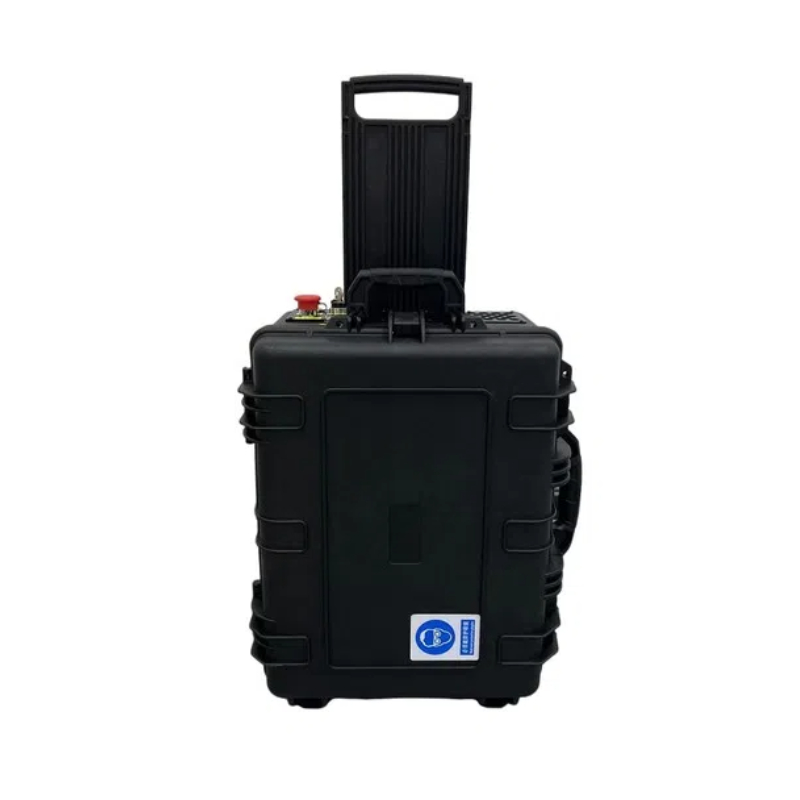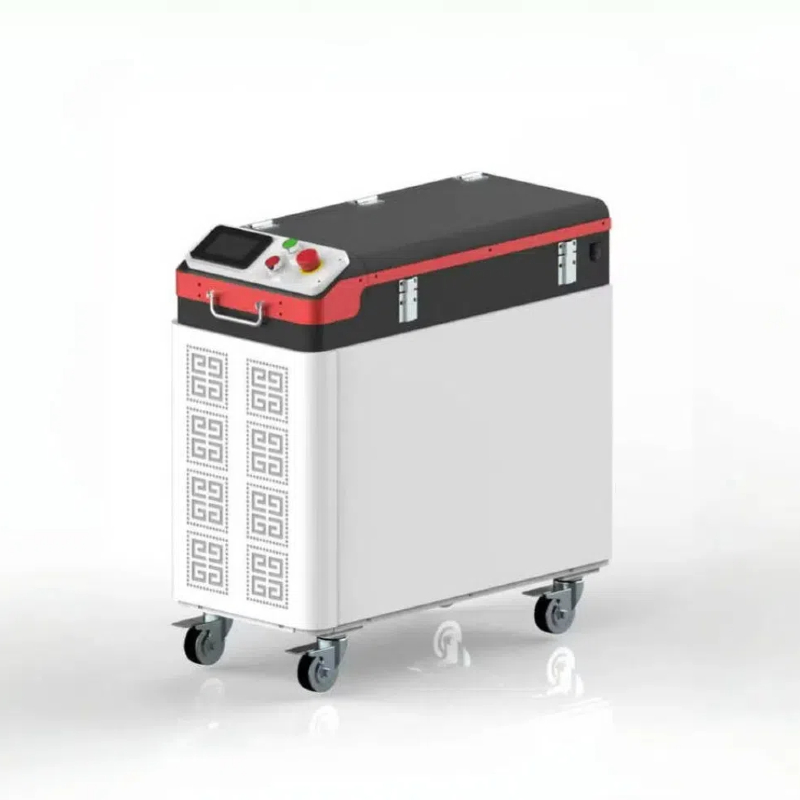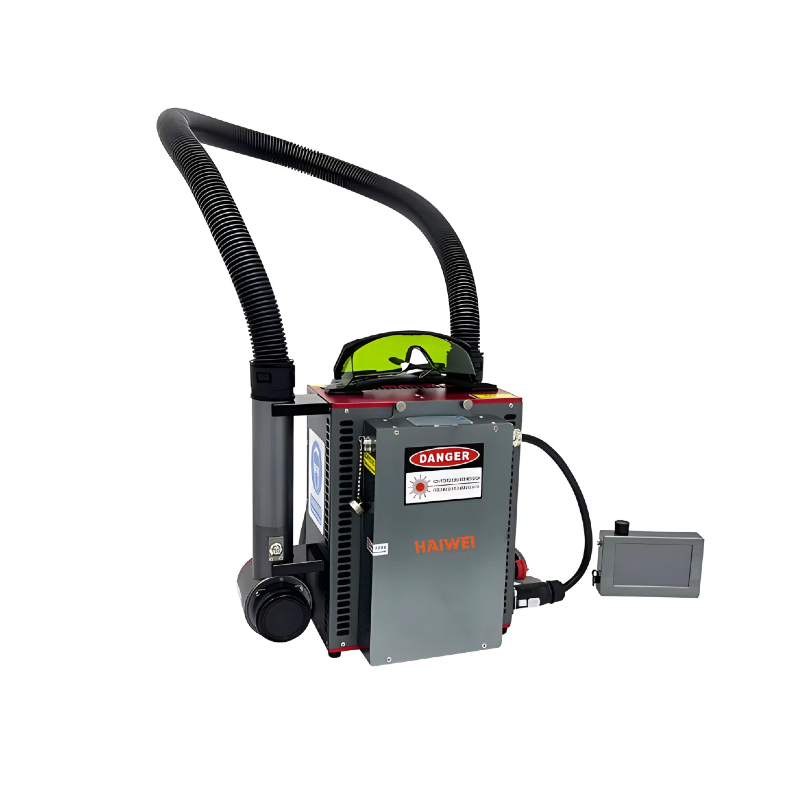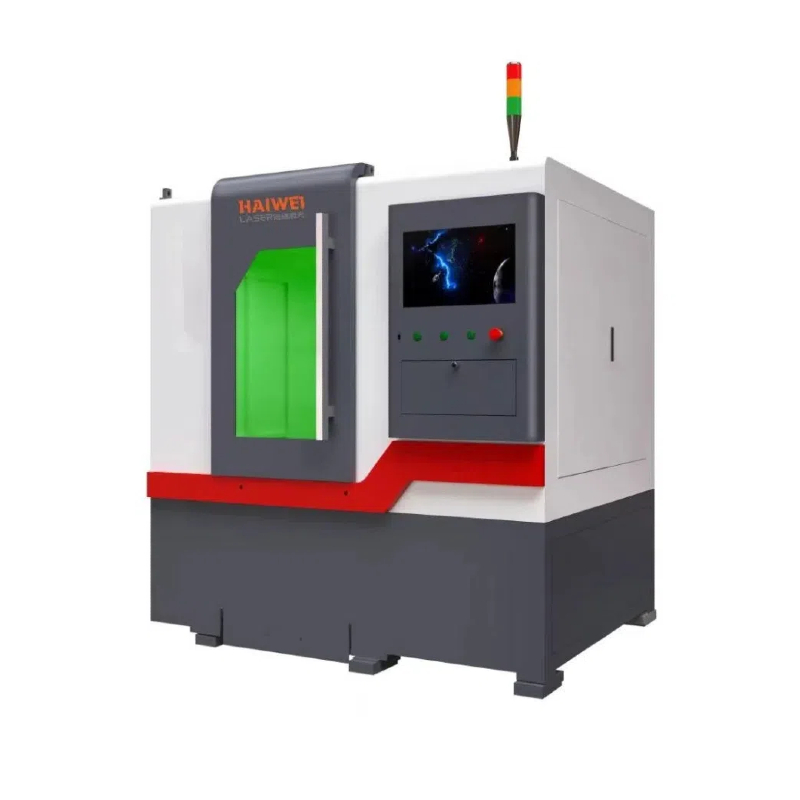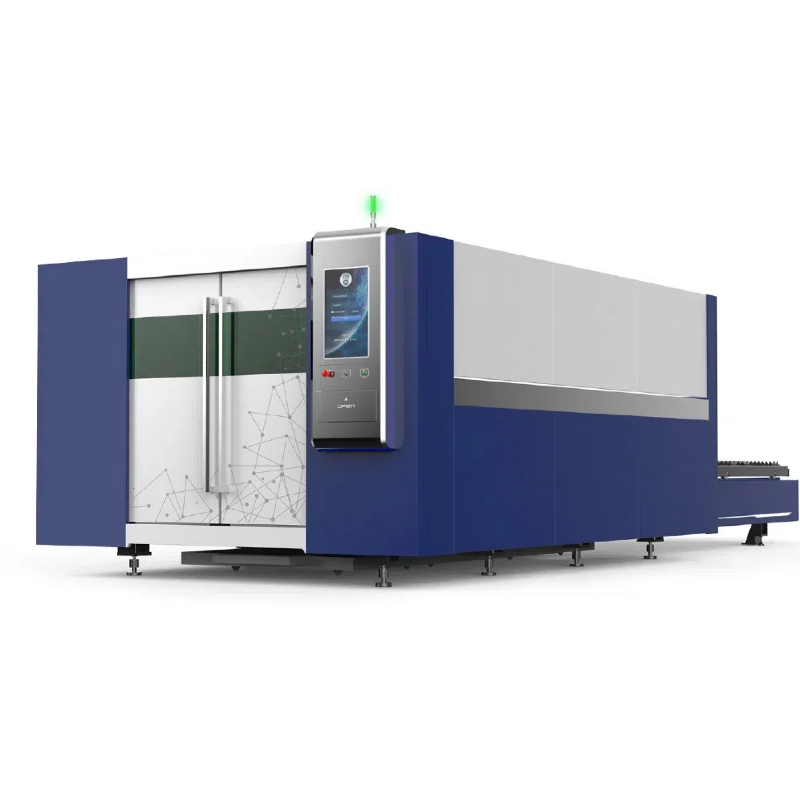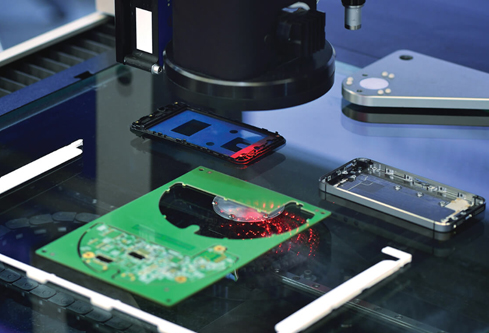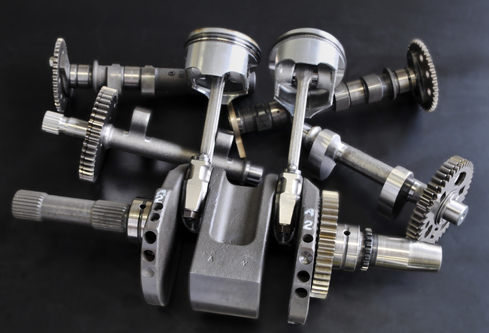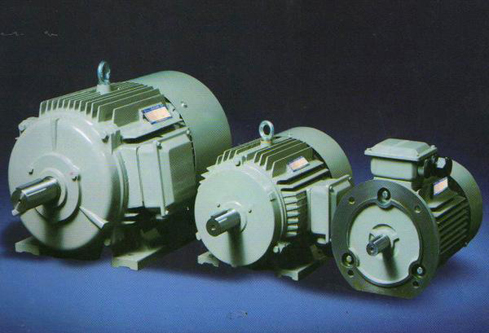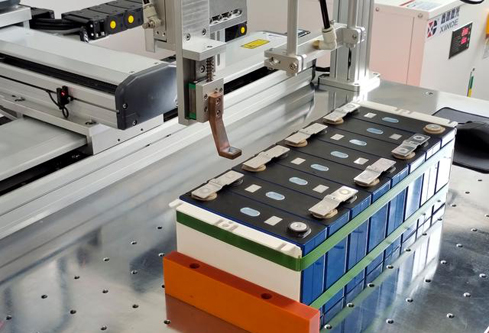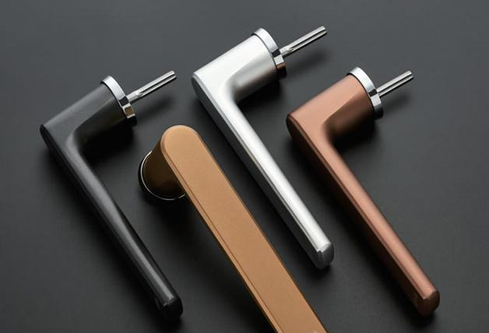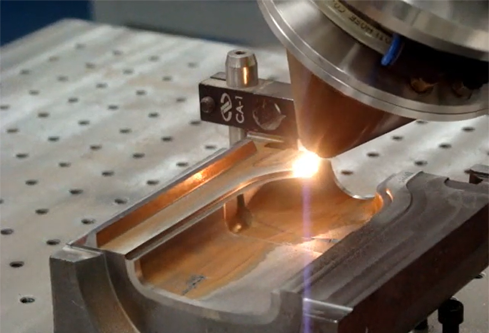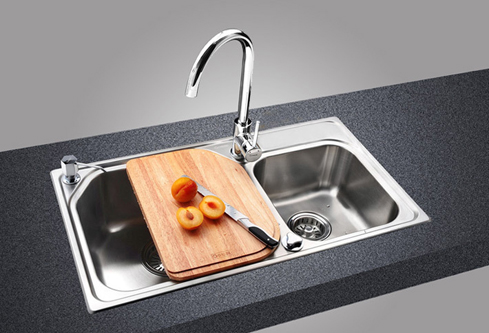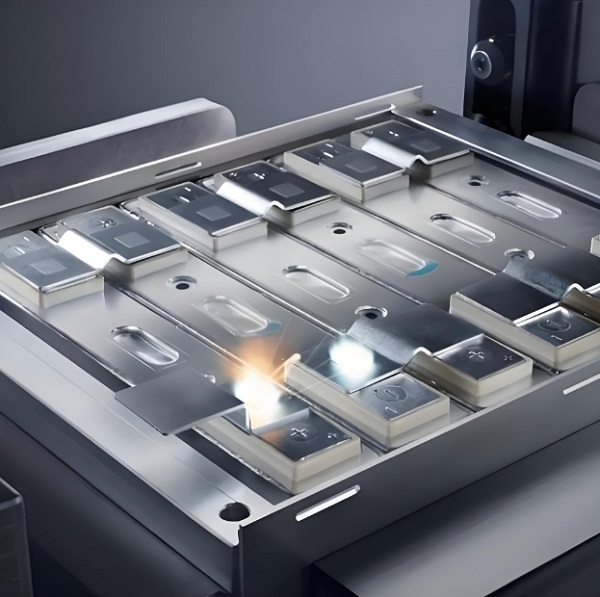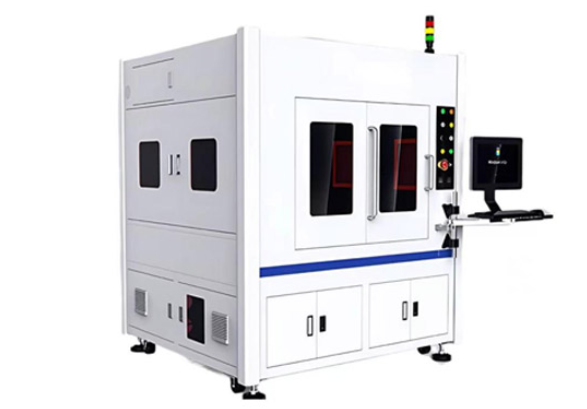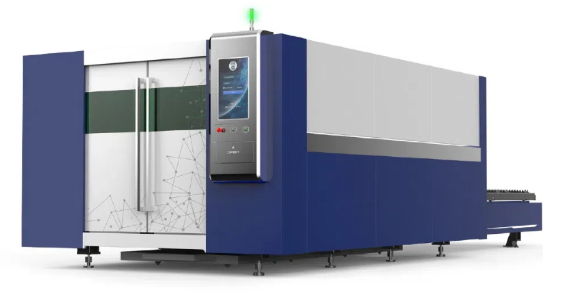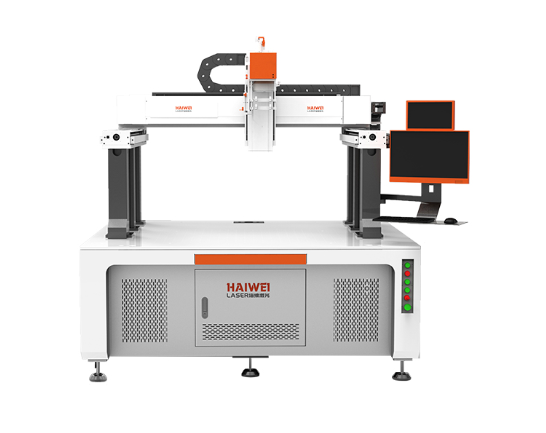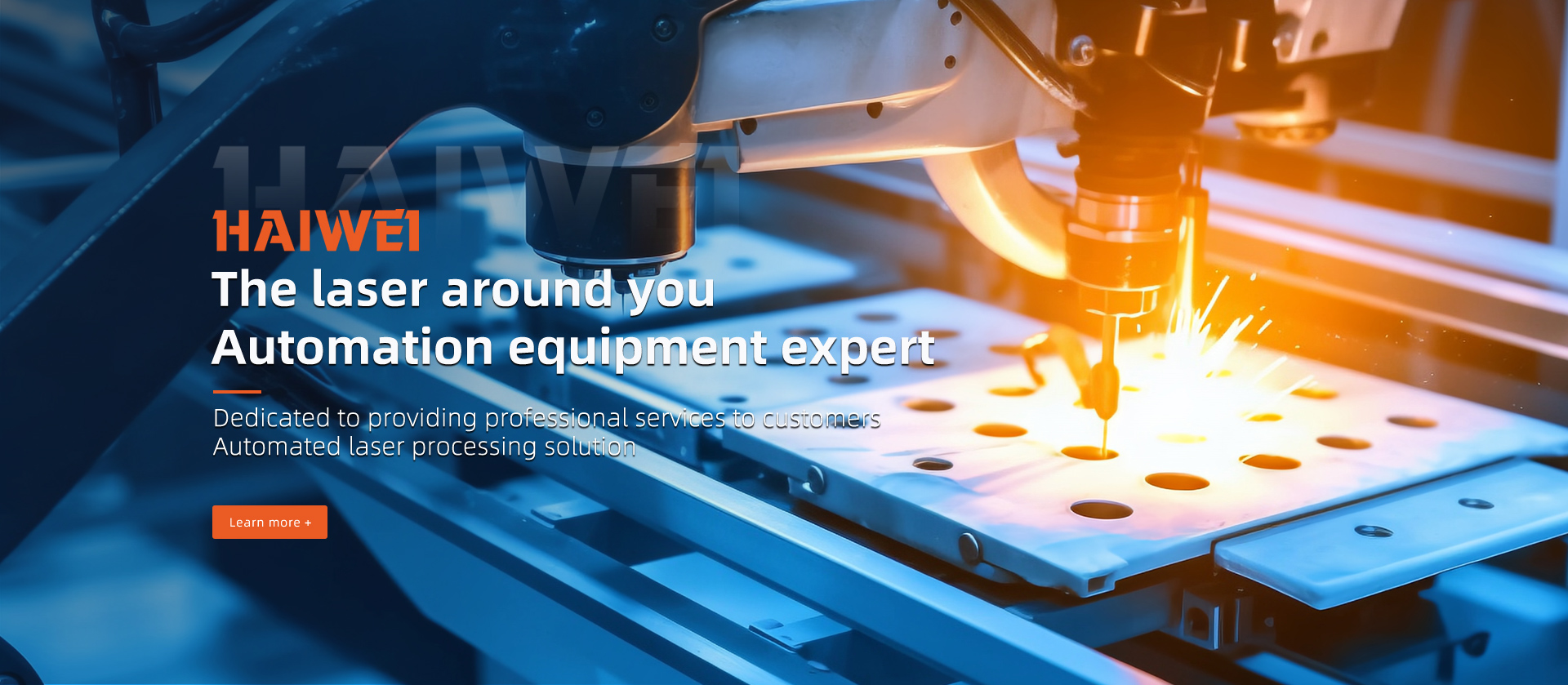
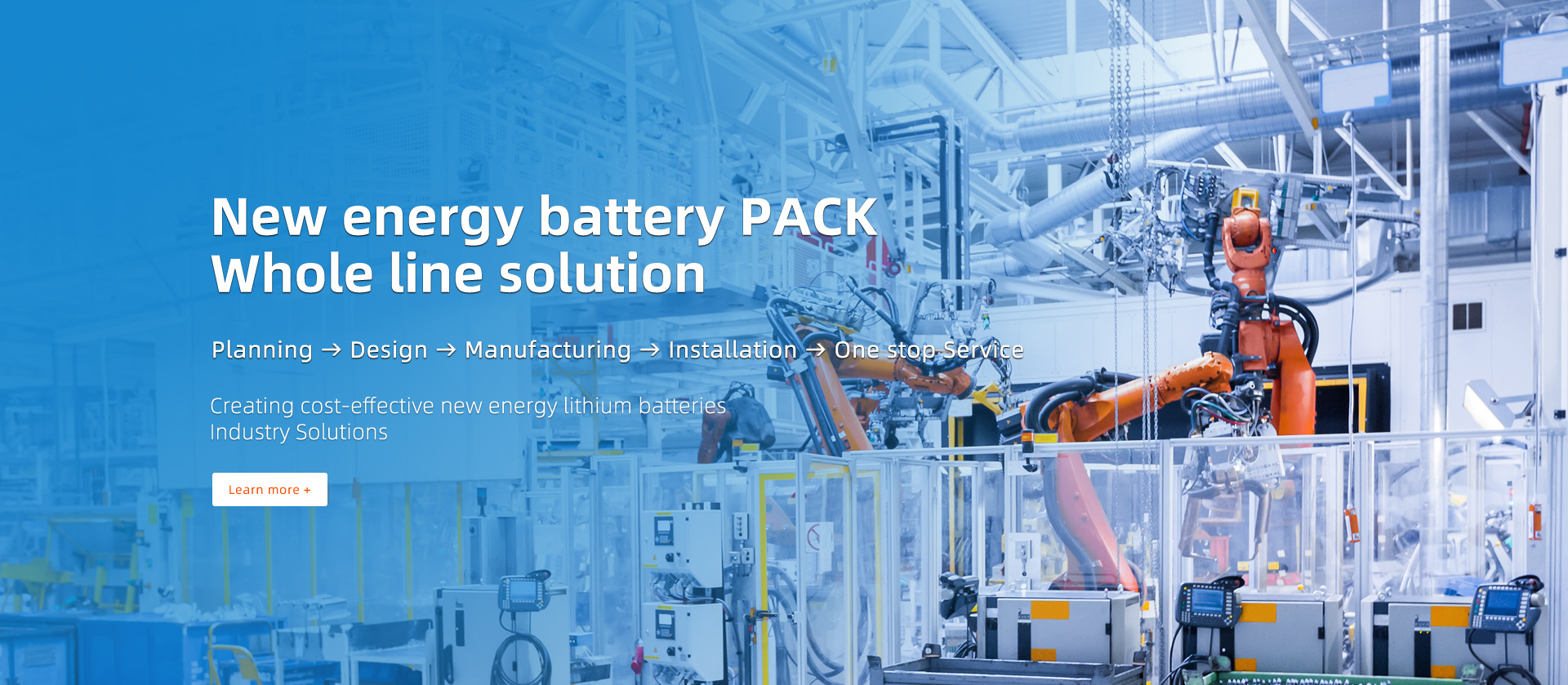
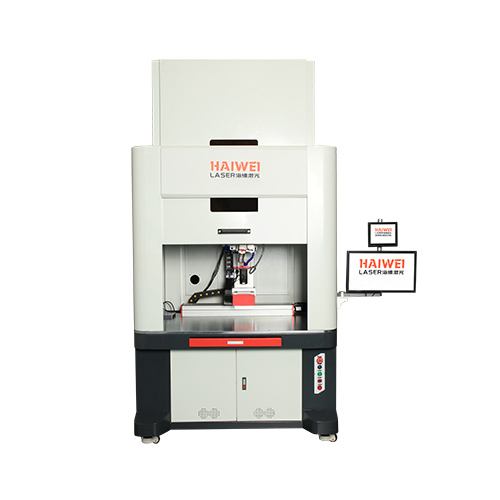
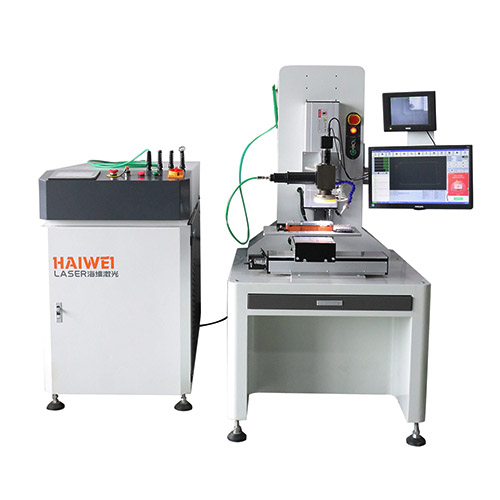
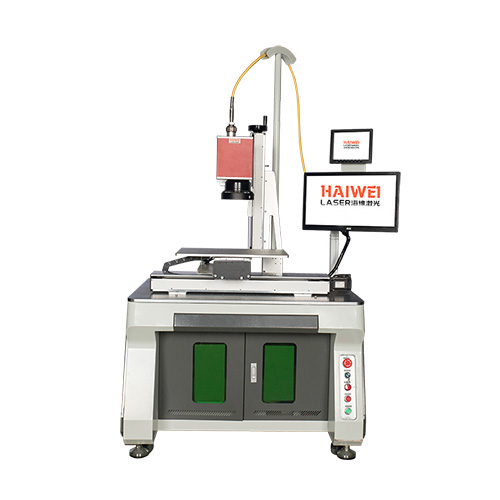
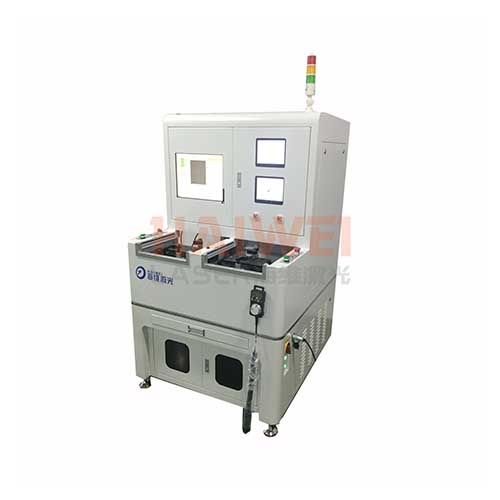
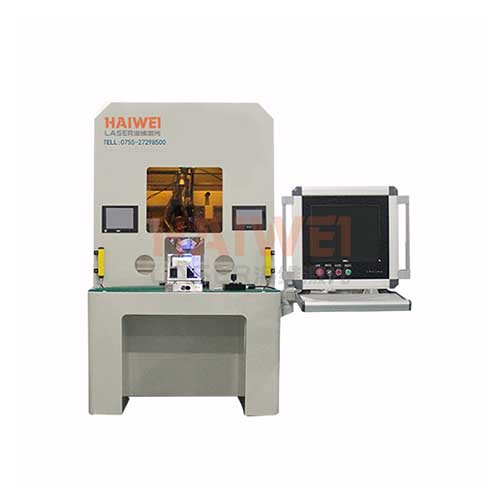
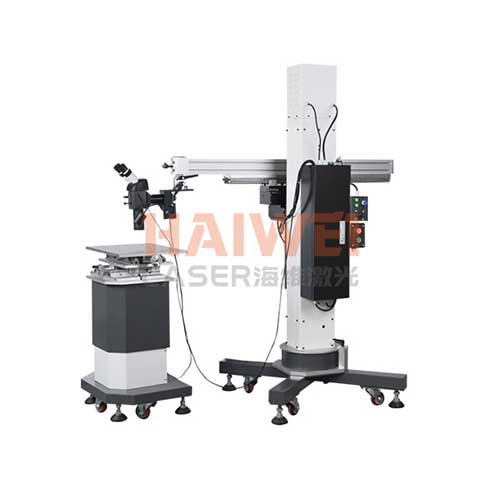
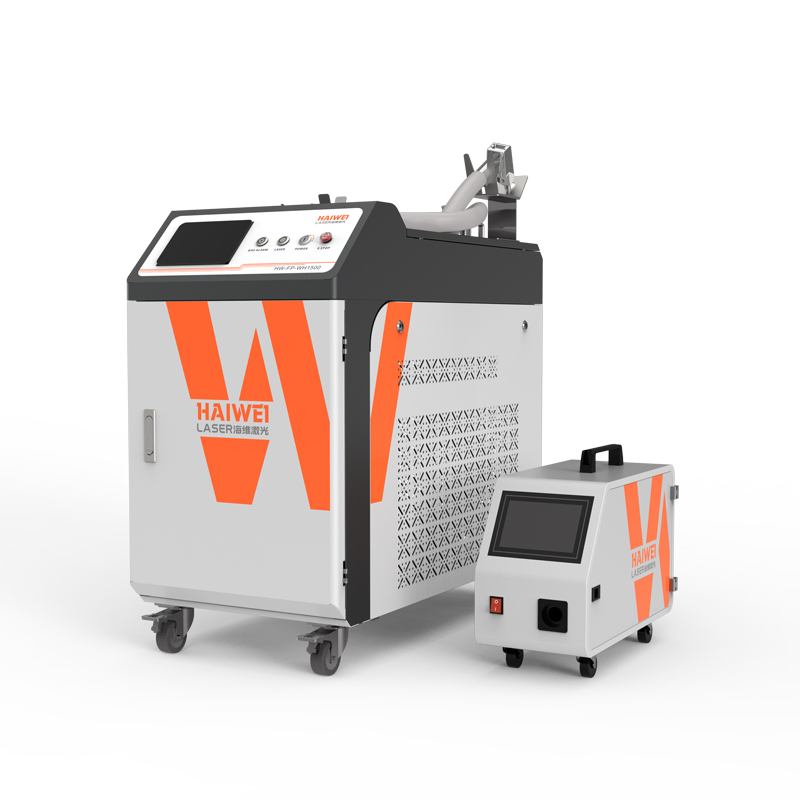
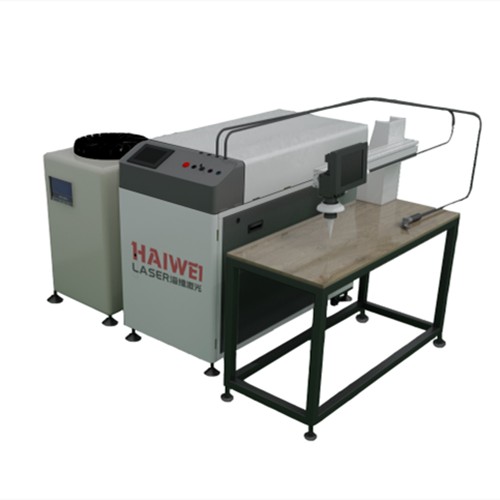
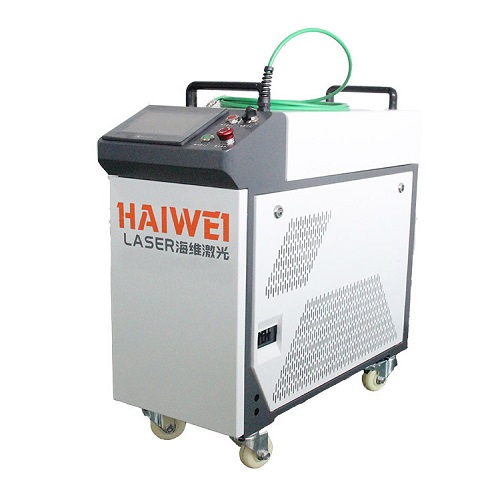
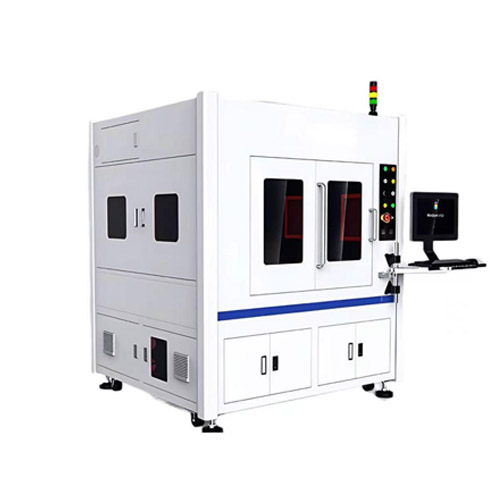
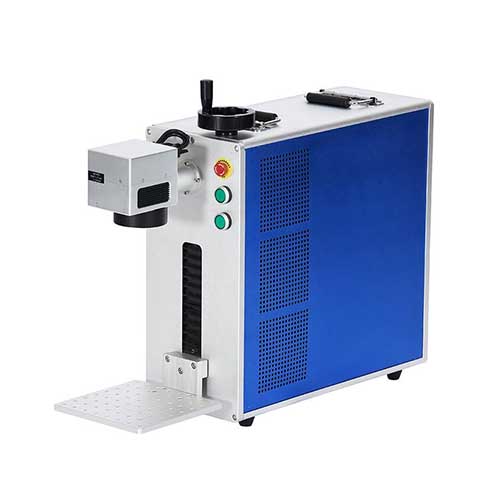
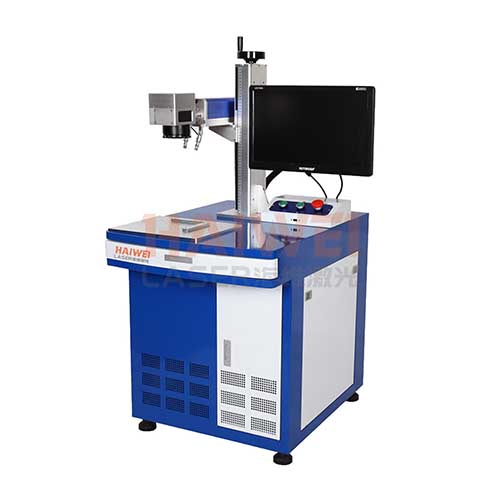
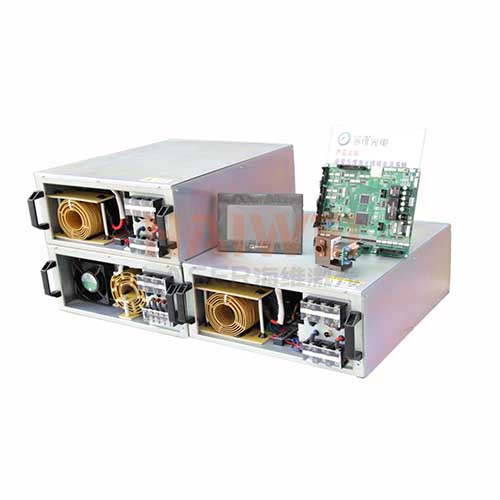
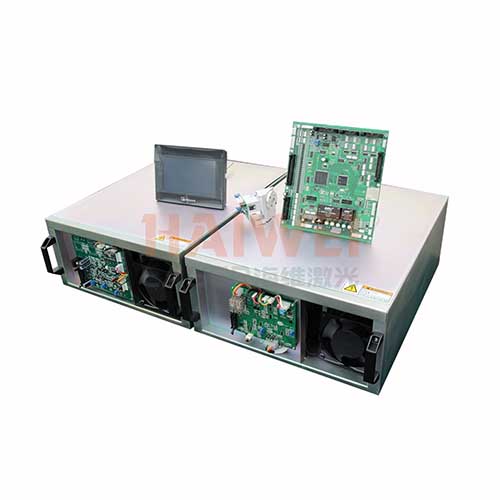
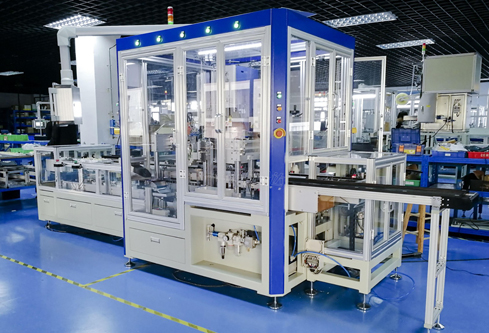


1、Application Background To meet the special processing requirements, non-standard automated laser equipment emerged. 2、Device features Highly customizable, adaptable to various materials and processes, capable of high-precision and high-efficiency processing.
Learn more >
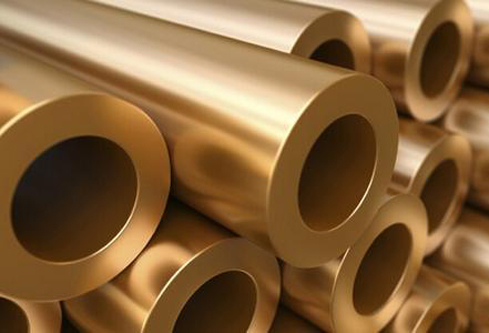
The structural characteristics of non-ferrous metals such as copper and aluminum are unique. Especially in the welding operations at the connection areas, the welding process standards are extremely high. Traditional welding often leads to uneven welds, insufficient bonding strength, wide heat-affected zones, and subsequently causes problems such as deterioration of material conductivity and corrosion resistance, which are major challenges for the industry.
Learn more >
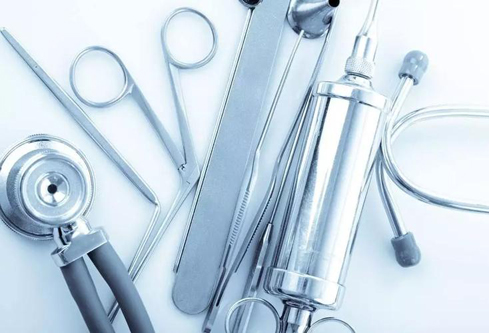
In the field of medical device manufacturing, especially in the production process of microfluidic devices and precision diagnostic equipment, there are extremely strict standards for the cleanliness, environmental friendliness and precision of the welding process. With the continuous advancement of medical technology, the size of precision instrument components is becoming smaller and smaller.
Learn more >
With the rapid development of the eyewear industry and the diversification of consumers\' aesthetic demands, the materials used for eyewear frames have become increasingly diverse, including metals, titanium alloys, memory metals, and other materials. Moreover, the structural design has become increasingly intricate and complex. In response to this, the traditional welding process faces significant challenges in terms of welding accuracy, aesthetics, and compatibility with different materials.
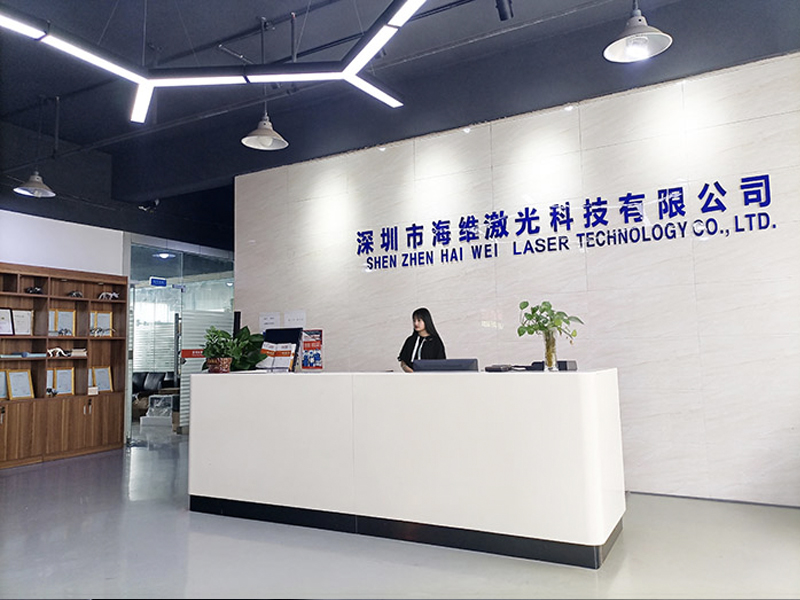
Learn more >Shenzhen Haiwei Laser Technology Co., Ltd. is an innovative enterprise with over 17 years of professional experience in the field of laser applications. It integrates R&D, production, sales and service, and is dedicated to providing customers with professional automated laser processing solutions. As a national high-tech enterprise, we have obtained more than 50 patents and intellectual property rights, which are widely applied in industries such as new energy, 3C, precision hardware, automotive parts, medical devices, military aviation, precision electronic components, jewelry, etc., and have received widespread acclaim.

Laser products include: laser welding machine series, laser cutting machine series, laser cleaning machine series, laser marking machine series and related automated series, etc.
Automated production lines include: automated production lines for battery power, automated production lines for energy storage batteries, automated production lines for automobiles and automotive components, and automated production lines for electronic and electrical products, etc.

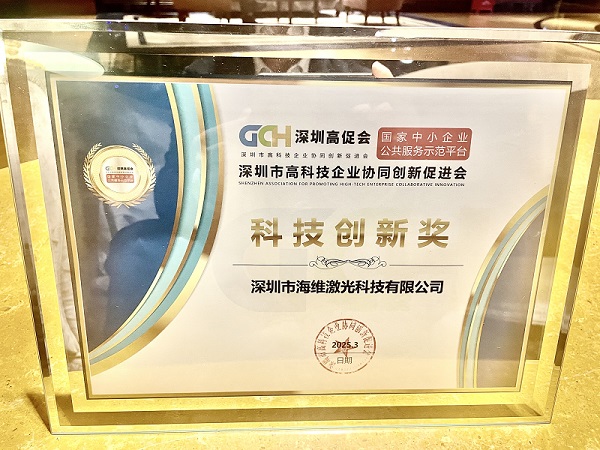
On March 11, 2025, at an event organized by the Shenzhen High-Tech Enterprise Collaborative Innovation Promotion Association (Shenzhen High-Technology Promotion Association), Shenzhen Havi Laser Technology Co., Ltd. won the \"Innovation Award\" for its outstanding performance in the field of laser technology. The Shenzhen High-Tech Promotion Association, as a national demonstration platform for small and medium-sized enterprises\' public services, established this award to recognize enterprises that have made outstanding innovations in the high-tech sector. Havi Laser stood out among others, demonstrating its strong innovation capabilities and technical foundation.
Recently, Shenzhen Havi Laser Technology Co., Ltd. has received an exciting piece of good news - it has been recognized by the Shenzhen Small and Medium-sized Enterprise Service Bureau as a \"Specialized, Skilled, Innovative and High-Technology Small and Medium-sized Enterprise\". This honor not only demonstrates the company\'s outstanding performance in technological innovation and market competitiveness, but also injects new impetus into the company\'s future development.
Haiwei Laser entered Shenzhen Huayi Experimental School and, by explaining the principles of laser and demonstrating the operation of the desktop laser marking machine, aroused students\' interest in science. The children experienced the laser marking process firsthand and personally made personalized souvenirs. The scene was filled with amazement and cheers. This event enriched the students\' extracurricular life, kindled their scientific dreams, and paved the way for future innovation.
On the afternoon of September 25, 2021, the laser welding workshop jointly established by Northwestern Polytechnical University (hereinafter referred to as \"NWPU\") and Shenzhen Havi Laser Technology Co., Ltd. (hereinafter referred to as \"Havi Laser\") was officially completed in the Heat Processing Teaching Department of the Engineering Practice Training Center of NWPU. In recent years, laser welding has witnessed rapid...
If your device gets wet or is submerged in water, please immediately cut off all power supplies. Once the floodwaters recede and the situation stabilizes, please contact our service engineers. They will provide guidance via phone and online. If the problem cannot be solved, the Havi after-sales engineers will offer free on-site repair and debugging services.
On July 10, 2021, the first \"Haiwei Cup\" Table Tennis Championship was launched at the company\'s front desk. General Manager Zhai Xiaobo led the Haiwei team members to participate in the competition together.

在汽配行业,现在对焊接质量的要求越来越严。以前那种靠人工氩弧焊拼凑的日子已经过去了,特别是现在很多零部件都要过安全检测,焊缝稍微有点气孔或者强度不够,整批货都得退货。这时候,一台专业的汽车零部件激光焊接机就成了标配。它不光焊得快,关键是焊缝漂亮、强度高。今天咱们就具体聊聊,这种设备到底主要用来焊哪些具体的汽车配件,帮大家理清需求。
在钣金加工和五金制造行业,很多老板都在纠结是上全自动设备还是买手动设备。对于订单比较杂、批量不大的情况,全自动产线投入太大,回本周期长。这时候,手动式激光焊接机就成了很多工厂的过渡神器或者主力设备。它不需要复杂的编程,上手就能干,特别适合那些非标件多、换款频繁的车间。
在新能源电池产线上,遇到大型电池包或者储能柜体的焊接,普通的台式激光焊机根本施展不开。工件太大太重,搬运困难,焊缝又长又直,对设备的行程和稳定性要求极高。这时候,一台配备了滚筒线的大型激光焊接机就成了刚需。今天咱们就聊聊,这种大设备是如何解决大尺寸工件焊接难题的,以及它在新能源电池制造中的实际应用。
在制造业里,遇到厚板焊接或者需要深熔焊,传统的焊接方式往往显得效果不够好。不仅速度慢,还得开坡口、多道焊,焊完变形还大,后续打磨校正费时费力。这时候,高功率激光焊接机就成了很多工厂升级产线的必选项。今天给大家讲讲这种6000W激光设备,到底是如何解决厚板焊接难题的,以及企业在选购时该关注哪些核心点。
在工厂里,焊接平面工件相对容易,但遇到圆柱体、圆管或者带有弧面的零件,问题就来了。用普通的焊接设备焊,往往需要人工频繁翻转工件,或者分段焊接,不仅效率低,还容易在接头处留下痕迹,影响密封性和美观度。为了解决这个难题,四轴转动激光焊接机就成了很多企业的选择。今天咱们就抛开复杂的参数,聊聊这种设备到底是如何通过增加一个旋转轴,来解决立体工件焊接难题的。
在精密制造领域,工件越小,焊接的难度就越大。像手机模组、微型马达或者医疗器械这些产品,不仅焊缝窄,而且对热非常敏感。稍微控制不好,工件就会变形甚至烧坏。这时候,普通的焊接设备往往束手无策,我们需要更专业的设备。今天就来聊聊精密零件激光焊接机,看看它到底是如何解决这些微小工件的连接难题的。

在智能手表、无线耳机、运动手环等智能穿戴设备日益普及的今天,产品上的品牌标识、规格参数、CE标志乃至个性化的图案文字,已成为产品身份与品质的重要载体。细心观察会发现,这些标识大多采用激光打标工艺完成。这并非偶然,而是由智能穿戴设备独特的使用场景与品质要求所决定的,激光打标技术在防脱落、精细度与环保性方面的核心优势,使其成为这一领域的首选标识方案。
在个性化定制与艺术创作领域,平面图文雕刻已难以满足市场对立体感与触感的需求。在木材、亚克力等材料上实现层次分明的三维立体浮雕,正成为提升产品附加值的关键工艺。激光雕刻机通过其独特的数字化分层加工技术,能够将平面的灰度图像转化为具有真实深度的立体形态。实现这一效果,核心在于对雕刻深度与灰度信息的精准解译与能量控制。
激光打标技术凭借其永久性、高精度与数据可变性,正成为医疗器械企业实现UDI合规赋码的主流选择。然而,要在严格的医疗监管要求下正确应用激光打标,需要深入理解其技术要点与合规关键。
在高端消费品、药品及精密电子行业,产品包装不仅是容器,更是品牌保护与消费者信任的第一道防线。传统油墨喷码易磨损、易仿制,而可见的激光打标虽持久却缺乏隐蔽性。借助激光雕刻机的精密能量控制与材料改性能力,在包装材料上实现肉眼不可见或难以复制的“隐形”标识,已成为构建高端防伪与深度追溯体系的前沿技术路径。
在医疗器械、精密阀门、消费电子及高端装饰件等行业,对具有高反光特性的曲面工件进行清晰、永久的激光打标是一项常见但颇具挑战的工艺需求。球面、弧面等曲面不仅会反射和散射激光能量,还会导致聚焦光斑变形、能量密度不均,造成标记不清、对比度差或部分区域过烧。攻克这一难题,需要从精准定位、光学适配、能量补偿与工艺优化等多个维度进行系统性协同。
在个性化定制与创意设计领域,平面的图文雕刻已难以满足所有需求。在亚克力等透明或彩色板材上实现富有层次感的三维立体浮雕效果,正成为提升产品附加值的关键工艺。激光雕刻机通过其特有的数字化与分层加工能力,可将平面的设计图转化为具象的立体形态,其核心技术在于对雕刻深度与灰度信息的精准解译与控制。

随着全球能源转型加速,光伏产业正经历着从“粗放式扩产”向“高效率、高良率”发展的深刻变革。在这一过程中,硅片切割作为电池片制造的核心工序,其切割质量直接决定了后续工艺的良率与电池的最终转换效率。传统金刚线切割虽占据主流,但在应对薄片化、大尺寸及异形硅片切割趋势时,正面临日益严峻的挑战。激光切割技术凭借其非接触、高精度、小热影响的独特优势,正展现出在光伏硅片切割领域的巨大应用潜力,同时也必须跨越一系列严苛的精度挑战。
在激光切割机的日常运行中,聚焦镜片作为光学系统的“眼睛”,其洁净度与完好状态直接决定了光束质量与切割性能。然而,这一精密部件也最易受污染和损伤。许多操作者对于何时清洁、何时更换镜片缺乏清晰标准,往往导致切割质量下降、镜片提前报废甚至引发连锁损坏。建立一套科学的镜片维护规范,是保障设备稳定运行与降低运营成本的关键。
在迈向智能工厂的进程中,激光切割工序的孤岛化是许多企业面临的瓶颈。要实现真正意义上的24小时连续、少人化生产,关键在于将激光切割机与上游的自动料库、下游的分拣系统无缝衔接,构建一个从“原材料入库”到“成品出料”的全自动流转闭环。这并非简单的设备连接,而是一项涉及机械设计、电气控制与软件协同的系统工程。
在激光切割机的日常运行中,切割头的清洁状态直接影响加工质量和设备稳定性。随着使用时间增加,镜片表面容易附着烟尘、金属飞溅物或油污,导致激光能量衰减、焦点偏移,甚至引发保护镜炸裂等故障。因此,切割头是否具备自动清洗能力,成为衡量一台激光切割机自动化水平和维护成本的重要指标。
激光切割机的切割头是集精密光学、传感与气体控制于一体的高价值部件,其频繁碰撞不仅导致昂贵的维修费用和停机损失,更会直接影响切割质量和设备长期精度。要有效预防碰撞,不能仅依赖操作人员的谨慎,而需要构建一个从设备状态监测、智能感知到规范操作的全方位防护体系。
在产线升级或新项目规划时,不少制造企业会考虑引入激光加工设备,尤其是看到同行用激光切割后效率提升、外观改善。但随之而来的一个实际问题是:激光加工设备的切割效果,是不是真的比传统设备和工艺更合适?这个问题没有一刀切的答案。效果好不好,关键要看用在什么材料、什么结构、什么批量上。作为在激光自动化设备领域有十几年的丰富经验,我见过太多企业因为只看宣传参数而忽略自身工艺匹配性,结果设备买回来用得并不顺手。下面从几个真实维度聊聊激光加工设备和传统方式的差异。

在锂电池PACK的规模化生产中,电芯作为基础单元,其自身不可避免的尺寸公差(如厚度、极耳位置、高度的微小波动)是影响模组装配质量与一致性的核心挑战。当数以百计的电芯堆叠成模组时,这些微米级的公差累积可能导致堆叠错位、极耳对不齐、压装压力不均甚至损伤电芯。要化解这一难题,传统刚性定位的装配方式已力不从心,必须转向基于感知与响应的自适应对准与柔性压装方案。
在锂电池pack模组的自动化装配中,电芯作为核心基础单元,其自身的尺寸公差(如长度、厚度、极耳位置)是无法避免的客观存在。然而,即使是微米级的累积公差,在高度自动化的高速产线上,也可能导致模组堆叠错位、极耳对不齐、最终压装压力不均等一系列连锁问题,严重影响模组的结构一致性、热管理效能与电气连接可靠性。
在锂电池PACK生产线的初始环节,电芯分选与配组是决定后续模组及电池包整体性能、安全性与寿命的基础工序。然而,这一环节常常成为制约整线产能与效率提升的瓶颈。其主要矛盾在于:一方面,为了追求电池包的高一致性,需要对电芯进行多参数(如电压、内阻、容量等)的精确测量与复杂匹配;另一方面,庞大的电芯处理量和严苛的生产节拍要求分选配组过程必须快速、准确且自动化。破解这一瓶颈,需要从测试技术、算法策略与系统集成三个层面进行系统性优化。
在锂电池pack组装线的末端,最终测试(EOL)系统是确保每一个出厂产品性能达标、安全可靠的终极“守门员”。一个设计精良、运行可靠的EOL测试站,不仅能精确筛选出缺陷品,更能为生产工艺优化提供关键数据反馈。构建这样一个系统,需要围绕测试项的完整性、硬件的可靠性、软件的智能性以及系统的可追溯性进行周密规划。
在锂电池pack规模化、智能化的制造趋势下,一条高效可靠的组装线是保障产品一致性、安全性与产能的核心。从单体电芯到成品的电池包,其组装流程集精密机械、电气控制与严格测试于一体,主要可拆解为模组装配、系统集成与最终测试三大核心模块,每个环节都对最终产品的性能与安全起着决定性作用。
在新能源产业快速发展的背景下,越来越多企业计划建设或升级自己的锂电池pack线。然而,从规划到落地的过程中,用户常遇到节拍不达标、换型困难、数据断层等问题。这些问题往往源于对产线供应商综合能力评估不足——不仅要看设备配置,更要看其是否真正理解电池制造逻辑。
Add WeChat